A little about us

Digital experiences for mental health professionals. We design, build, and rank websites exclusively for wellness practices so you can focus on care.
Let’s build something meaningful
A little about us
Digital experiences for mental health professionals. We design, build, and rank websites exclusively for wellness practices so you can focus on care.
Let’s build something meaningful
Industries / People & life stage
For Perinatal & postpartum
Perinatal clients search in fragments of time, often while feeding or awake at night. The site should be quick to read and gentle to use.
At a glance
Typical clients
Expectant and new parents
Common search
“postnatal therapist near me”
First question
“Is this normal, or is it me?”
The site is not the therapy, but it is the first thing someone reads. These are the questions that decide whether they keep reading.
01
Short sections and clear headings beat long essays, every time.
02
Include a route for the people trying to help.
03
Be clear about what you treat and when to contact a GP or perinatal team.
What we build
Scope is agreed before work starts, so nothing here appears as a surprise line on an invoice.
Three decisions that matter
Copy, structure and search are the three places a niche page quietly succeeds or fails.
Copy
Avoid “bounce back”, “natural birth” and anything that implies a right way.
Structure
Most readers arrive on a phone, one-handed.
Search
“Postnatal anxiety” and “birth trauma therapy” are distinct, high-intent searches.
How this gets built
Most perinatal work projects start with two or three of these, in the order that suits the practice.
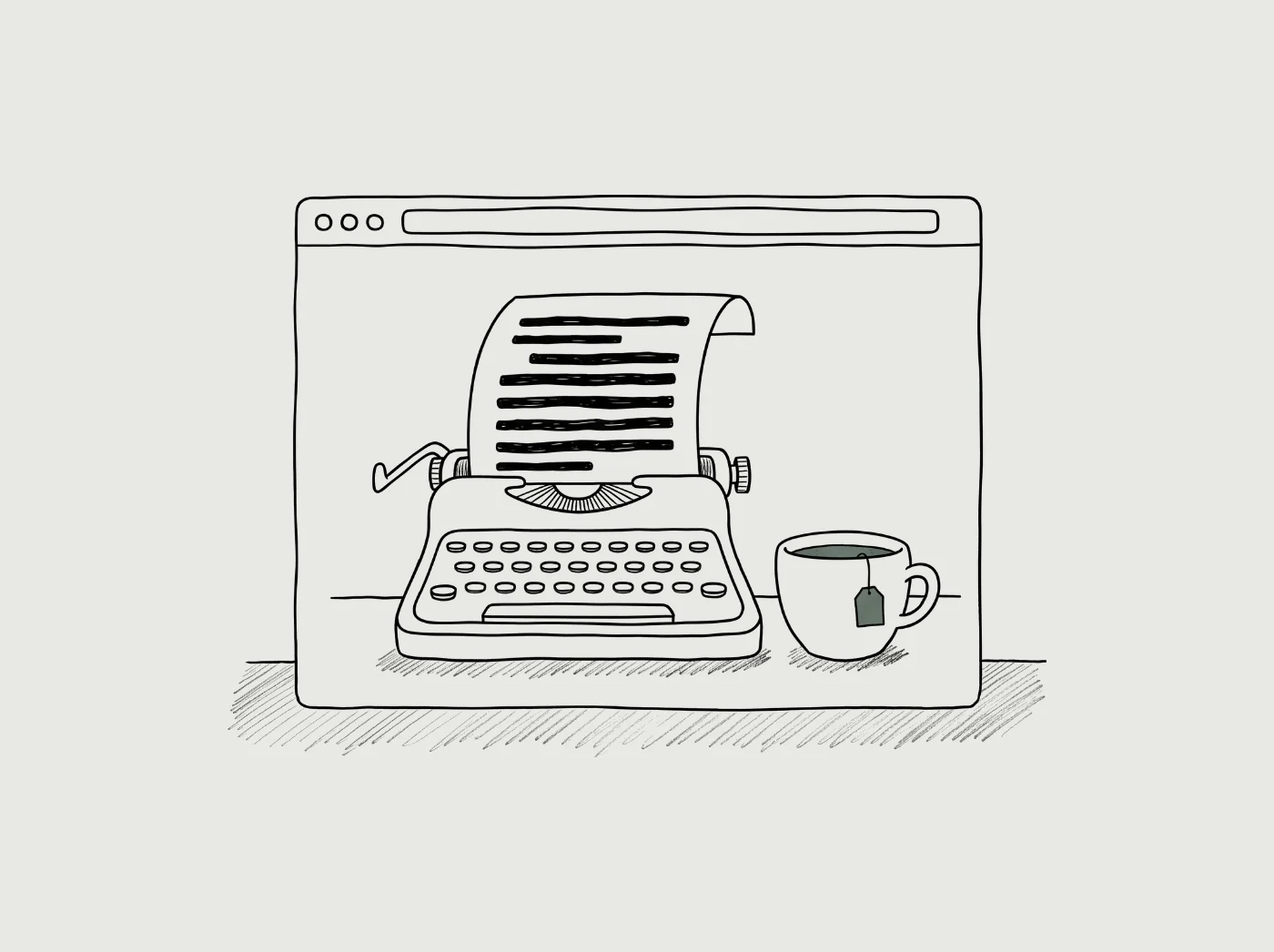
Words
Page copy in your voice, written and clinically reviewed before it goes live.

After launch
Hosting, security and monthly content, so the site keeps working after launch.
Keep looking
These niches share rooms, referrals and questions. Start with the one that sounds closest to your practice.
Name the experience and describe the support, and stop before the detail becomes a story. The page exists so a frightened reader recognises themselves, not so a stranger can read what happened. Let the words be clinical where the event is clinical and plain everywhere else.
A dedicated section is usually enough, unless referral patterns suggest otherwise. Partners often search at two in the morning for something they can do, and a short page explaining how to help, plus what your service does and does not cover, answers that without competing with the main offering.
Assume a phone, one hand and very little patience. High contrast, short paragraphs, no autoplay or motion, tap targets that are easy to hit, and a contact route that does not require a long form. Test it in dark mode on a real device before launch.