A little about us

Digital experiences for mental health professionals. We design, build, and rank websites exclusively for wellness practices so you can focus on care.
Let’s build something meaningful
A little about us
Digital experiences for mental health professionals. We design, build, and rank websites exclusively for wellness practices so you can focus on care.
Let’s build something meaningful
Industries / Modality & specialty
For Grief & loss
Grief clients are not looking for a funnel. They are looking for someone who can sit with uncertainty. The site should read like a person, not a programme.
At a glance
Typical clients
Adults, all ages
Common search
“grief counsellor near me”
First question
“Is what I feel normal?”
The site is not the therapy, but it is the first thing someone reads. These are the questions that decide whether they keep reading.
01
Avoid framing grief as a sequence to complete. It invites people to measure themselves against a fiction.
02
Clichés like “closure” and “moving on” lose the reader immediately.
03
Give them something worth returning to, and an easy way to come back when they are ready.
What we build
Scope is agreed before work starts, so nothing here appears as a surprise line on an invoice.
Three decisions that matter
Copy, structure and search are the three places a niche page quietly succeeds or fails.
Copy
Short paragraphs, precise words, no silver linings.
Structure
Generous spacing and short pages, because the reader may be exhausted.
Search
“Bereavement counselling” and “grief therapist” are different searches; cover both honestly.
How this gets built
Most grief work projects start with two or three of these, in the order that suits the practice.
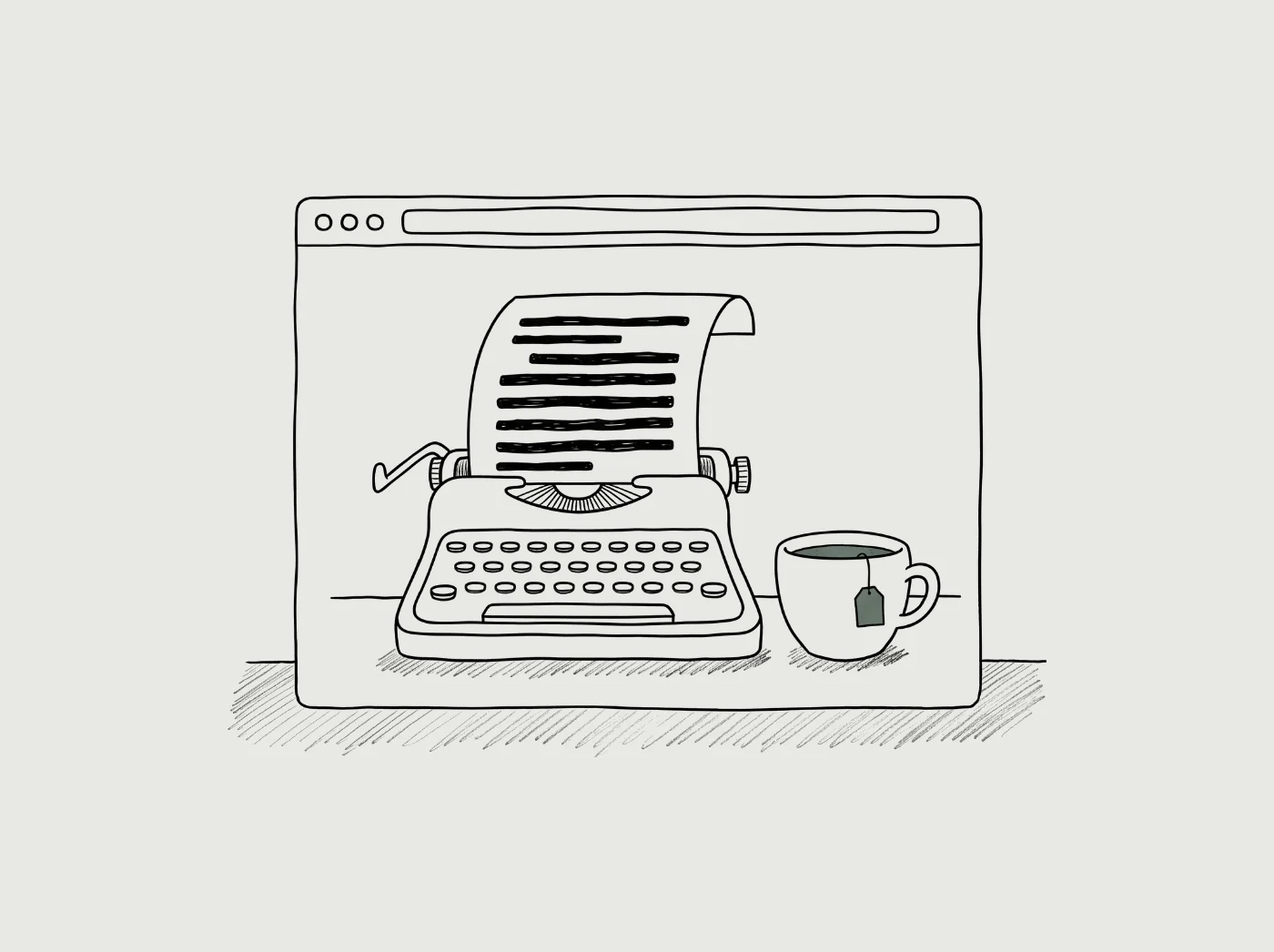
Words
Page copy in your voice, written and clinically reviewed before it goes live.

After launch
Hosting, security and monthly content, so the site keeps working after launch.
Keep looking
These niches share rooms, referrals and questions. Start with the one that sounds closest to your practice.
Use the words your clients use, not the ones people say at funerals. Phrases like lost her battle or gone to a better place date quickly and exclude anyone whose grief does not fit the script. Plain, specific sentences about what you actually offer read warmer than any tribute.
Only if the work differs enough to fill a page honestly. Anticipatory grief raises its own questions about caring, hospitals and exhaustion, and a short dedicated page answers them better than a paragraph buried in a longer one. Two thin pages are worse than one good one.
Yes, and it usually should, provided you only link to services you would recommend to a client. Check the links twice a year, explain what each one is for in a few words, and keep them visible on the page rather than tucked into a footer nobody scrolls to.